

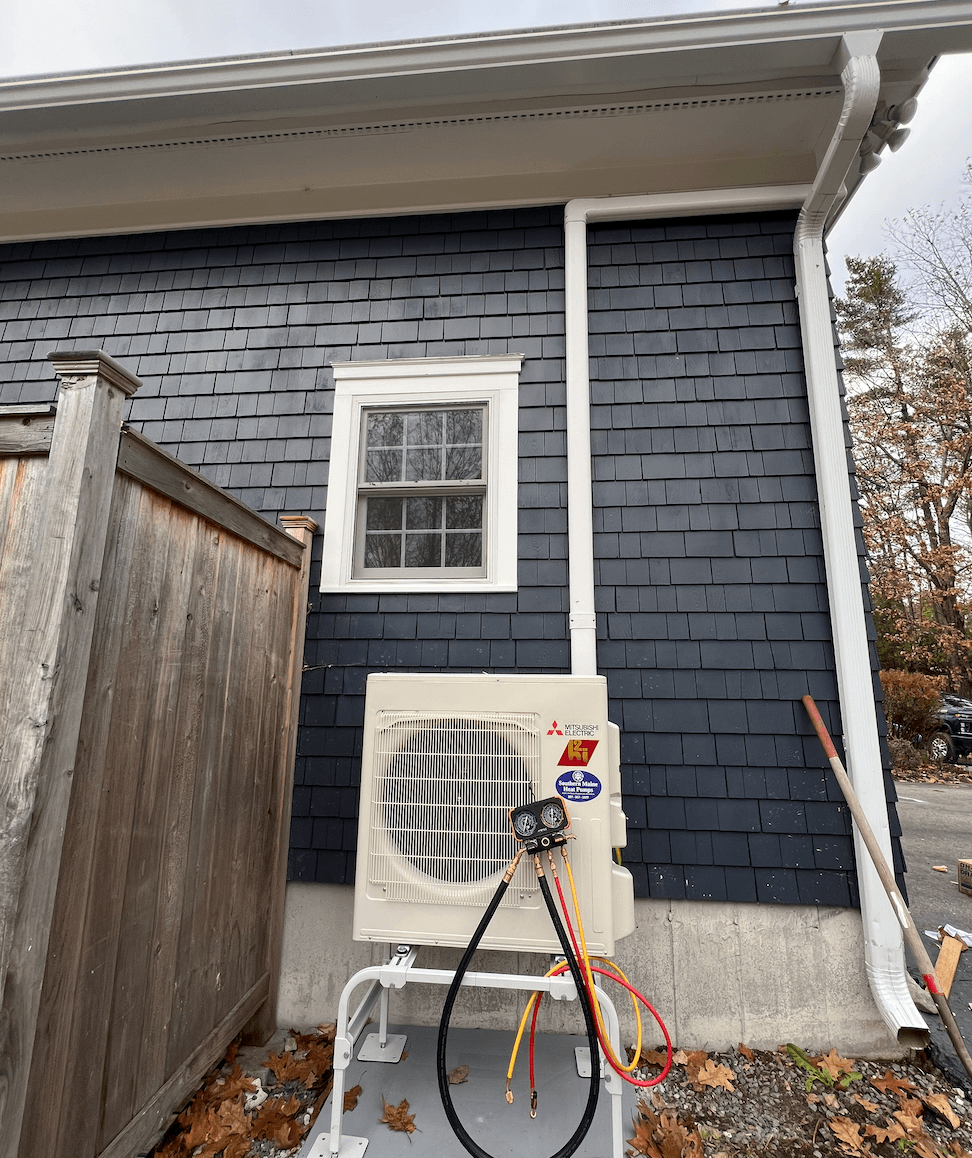
Heat pumps are remarkably reliable machines, but they're not immune to wear and tear. The good news is that most problems give you warning signs well before they become serious. Recognizing those signs early — and knowing what to do about them — can save you hundreds or even thousands of dollars in repairs and keep your home comfortable year-round.
At Southern Maine Heat Pumps, we see these issues regularly. Here are the seven most common warning signs and what each one means.
1. Your Energy Bills Are Climbing Without Explanation
If your electricity bills have been creeping up but your usage habits haven't changed, your heat pump may be losing efficiency. This is one of the earliest and most important warning signs. Dirty filters, low refrigerant, or worn components force the system to work harder to maintain the same temperature, consuming more energy in the process.
The fix is often simple: schedule an annual service and maintenance visit. Our technicians clean coils and filters, check refrigerant levels, tighten electrical connections, and optimize your system settings. In many cases, a professional tune-up restores the efficiency you've been missing and brings those bills back down.
2. Strange Noises Coming from the Indoor or Outdoor Unit
Heat pumps are designed to run quietly. If you're hearing grinding, rattling, buzzing, or clicking that wasn't there before, something needs attention. Grinding often indicates a motor bearing issue. Rattling can mean loose hardware or debris in the outdoor unit. Buzzing might point to an electrical problem.
Don't ignore unusual sounds — they rarely resolve themselves. If your system is a ductless mini-split, noise issues are especially noticeable since the indoor unit is right in your living space. A quick service call can identify and fix the problem before it leads to a compressor or motor failure.
3. The System Runs Constantly But Doesn't Keep Up
A heat pump that never seems to shut off — especially during moderate weather — is a red flag. This can indicate low refrigerant, a failing compressor, or a system that was incorrectly sized from the start. If the issue started gradually, it's likely a maintenance problem. If it's been there from day one, the system may be undersized for your space.
For undersized systems, the solution may be adding capacity. A multi-zone heat pump system can extend coverage to areas your current system can't reach, using a single outdoor unit to power multiple indoor units throughout your home. Each zone operates independently, so you're only heating and cooling the rooms you're using.
4. Uneven Temperatures Throughout Your Home
If some rooms are comfortable while others are always too hot or too cold, the issue isn't usually with the heat pump itself — it's with how the system is configured. A single ductless unit in the living room can't effectively heat the back bedrooms with the doors closed. Heat stratification in rooms with high ceilings is another common culprit.
The most effective solution is adding indoor units where they're needed. If you currently have a single-zone mini-split, upgrading to a multi-zone system or adding a second ductless mini-split in the problem area can eliminate hot and cold spots entirely. We'll assess your home and recommend the most cost-effective approach.
5. Your Heat Pump Is More Than 10-12 Years Old
The average lifespan of a well-maintained heat pump is 12-15 years. If your system is approaching or past that range, you'll likely start noticing more frequent repairs, declining performance, and rising energy costs. At some point, continuing to repair an old system costs more than replacing it.
A heat pump replacement and upgrade can dramatically improve your comfort and efficiency. Today's cold-climate models perform reliably down to -15°F and are 30-50% more efficient than units from a decade ago. We remove your old equipment, recover refrigerant per EPA regulations, and install your new system with updated wiring and connections. Efficiency Maine rebates make the upgrade more affordable than many homeowners expect.
6. Ice Buildup on the Outdoor Unit
A thin layer of frost on the outdoor unit during winter is normal — heat pumps have a defrost cycle specifically to handle this. But thick ice buildup that doesn't clear, or ice forming on the coil during mild weather, indicates a problem. Common causes include a stuck reversing valve, low refrigerant, a failing defrost control, or restricted airflow from debris or snow.
Make sure the area around your outdoor unit is clear of snow, leaves, and vegetation. If the ice persists after clearing obstructions, call for service. Continuing to run a heat pump with significant ice buildup can damage the compressor — the most expensive component to replace.
7. Your Water Heating Costs Are Through the Roof
This one isn't about your heat pump per se, but it's a sign that your home's overall energy strategy needs an upgrade. If you're still using a standard electric resistance water heater, it's likely one of the most expensive appliances in your home to operate. Water heating accounts for roughly 20% of most households' energy bills.
A heat pump water heater uses the same heat-transfer technology as your air-source heat pump to heat water two to three times more efficiently. These units are also eligible for Efficiency Maine rebates and federal tax credits. Many homeowners install one alongside a new heat pump system to maximize their energy savings.
Don't Overlook Indoor Air Quality
If you've noticed your home feeling stuffy, overly dry in winter, or humid in summer — especially if you've been tightening up the building envelope for energy efficiency — you may benefit from an ERV (Energy Recovery Ventilator) air exchange system. ERVs bring in fresh filtered air while recovering up to 80% of the energy from the air being exhausted. They pair perfectly with heat pumps and are especially valuable in well-insulated Maine homes.
Business Owners Face These Same Issues
If you manage a commercial property — an office, retail space, or multi-unit building — all of these warning signs apply to your systems too, often at a larger scale. Our commercial heat pump systems are engineered for the demands of commercial spaces, with zoned control, higher capacity, and equipment designed for continuous operation. We also offer commercial maintenance contracts to keep your systems running at peak performance.
More Resources for Heat Pump Owners
Whether you're dealing with one of the issues above or just want to stay informed, these guides can help. Our 2026 Efficiency Maine rebates guide explains the current incentives available if you're considering a replacement or upgrade — the savings may surprise you. If you're weighing your options between different system types, our comparison of ductless mini-splits and central heat pumps breaks down the advantages of each. And if you've ever wondered whether your heat pump should be handling the cold weather better than it is, our article on how heat pumps perform in Maine winters provides real performance data so you know what to expect from a properly functioning system.
The Bottom Line
Most heat pump problems start small. A slightly higher energy bill. A faint noise that wasn't there last month. A room that takes a little longer to warm up. Catching these issues early with professional inspection and service prevents them from becoming emergency repairs.
If any of these signs sound familiar, contact Southern Maine Heat Pumps to schedule a service visit. We'll diagnose the issue, explain your options, and get your system back to peak performance. Call us at (207) 317-1077 — we're here to help.